
Why Rocks Get Bruised in a Rock Tumbler 2026
If stones come out with bruising, first check whether the barrel was too sparsely loaded or lacked cushioning. You can inspect the damage, adjust the next load, and decide whether coarse grinding is worth trying. If you cannot keep your usual batch properly loaded, compare barrel sizes before choosing a tumbler.
If your usual batch leaves the barrel too sparse, compare models by the batch size you can keep properly loaded. See the beginner rock tumbler roundup to compare barrel-size options..
Check the damage, then adjust the load
Start with barrel fill and cushioning before changing your next run.
Step 1 Inspect and sort the stones
- Spread the stones on a clean tray and separate bruising from visible chips, breaks, or suspected larger fractures.
- Set aside visibly broken or badly fractured pieces for separate assessment.
Step 2 Check the barrel fill
- Compare the loaded level with the instructions for your tumbler model.
- As general rotary-tumbler guidance, aim for about one-half to two-thirds full; a load below about half full can tumble violently.
Step 3 Improve cushioning and contact points
- Add suitable smaller rocks among larger ones to create more contact points.
- If needed, consider suitable ceramic media, but leave enough room for the rocks to tumble.
Step 4 Consider the rock material
- Note which rocks are in the batch and whether some may be more susceptible to bruising; varieties of quartz can bruise easily.
- Avoid mixing rocks with substantially different hardness if that would make the results harder to diagnose.
Step 5 Reassess before finer grit
- Return a damaged stone to coarse grinding only if it is otherwise suitable and you are willing to remove more of its surface.
- Inspect it again before finer stages, and set it aside if the damage remains too deep or the stone is no longer worth keeping.
Result
What causes rocks to get bruised?
Bruising usually comes from impact: stones can develop tiny fractures when they strike one another, especially if the barrel is too sparsely loaded or has few cushioning contact points. First compare the fill with your tumbler manual, then consider mixed-size rocks or suitable media. Coarse grinding may remove some damaged surface, but deeper fractures may remain.
What do you need to check the load?
Gather a clean tray and your tumbler’s manual before sorting the stones or changing the load. The manual takes priority because general fill figures do not replace model-specific instructions; use suitable smaller rocks or media only if the load needs adjustment.
- Your tumbler’s manual, to check its loading instructions.
- A clean tray or container, so you can inspect and sort stones.
- Mixed-size rocks or suitable ceramic media, if the load needs more cushioning or filler.
- Coarse grit, only if another coarse stage makes sense for the stone and its damage.
If barrel size is part of the problem, the Blue Marble Professional Rock Tumbler has a manufacturer-listed 2 lb nominal barrel capacity. The manufacturer source does not state a separate rock-only maximum or give model-specific loading guidance, so treat capacity as a comparison point, not a promise that the tumbler will prevent bruising.
Our Top Picks
How do you reduce bruising on the next run?
Inspect the stones, check the loaded level against your manual, and improve cushioning before restarting. General rotary-tumbler guidance suggests about one-half to two-thirds full; the goal is a load that tumbles without leaving the stones crashing around.
Step 1: Inspect and sort the stones
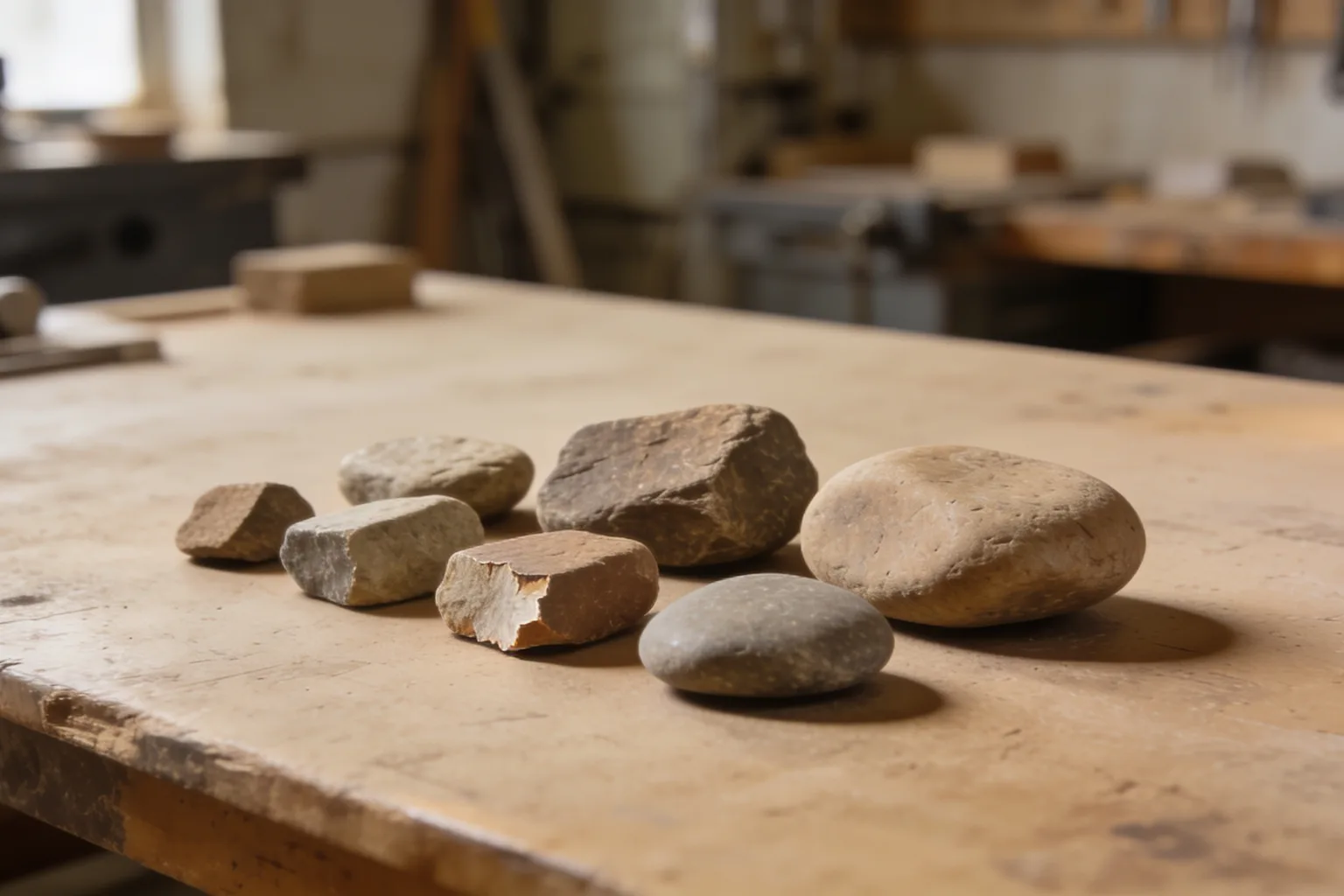
Spread the stones on a clean tray and look closely at the damage. Bruising means small impact fractures; a visible chip or break is material loss or separation, and a suspected larger fracture needs a different judgment. Set aside visibly broken or badly fractured stones rather than treating them as a cushioning problem.
Step 2: Check the barrel fill
Compare the loaded level with your tumbler’s manual. General rotary-tumbler instructions recommend about one-half to two-thirds full. A separate demonstration warns that less than about half full can make rocks tumble violently and become bruised, broken, or chipped. These are general figures, not specifications for every model.
Step 3: Improve cushioning and contact points
Add suitable smaller rocks among the larger pieces if you have them. Smaller pieces create more contact points, and small ceramic media can fill spaces and help cushion larger rocks. Media is not automatically right for every material: it may affect how soft rocks or rocks with directional or uneven hardness shape. Follow your manual and leave room for tumbling.
Step 4: Consider the rock material
Some materials bruise more readily than others. Varieties of quartz are noted as easy to bruise, so the same load conditions may not affect every stone equally. Keep the batch easier to diagnose by avoiding substantially different hardnesses when they could lead to uneven wear.
Step 5: Reassess before finer grit
If a stone is otherwise sound, another coarse-grind stage may remove some bruised surface, but it also removes material. Inspect the stone again before moving to finer grit. Tiny fractures can extend into the rock, and you cannot tell from the available guidance how deep a particular bruise goes.
Which loading mistakes make bruising more likely?
A sparse load can let rocks crash into one another, but packing the barrel too full also restricts tumbling. Check the level before each run, especially as stones shrink, and follow your model’s manual. Use suitable smaller rocks or media when appropriate rather than assuming one filler amount works for every barrel and material.
- Starting with too few rocks: check the loaded level before each run, especially after stones shrink.
- Using only large pieces: add suitable smaller rocks or ceramic media to increase contact points and cushioning.
- Filling the barrel to eliminate every gap: leave room for the load to tumble and follow the manual.
- Moving marked stones straight to fine grit or polish: decide first whether coarse grinding is still appropriate.
What if the damage persists or is unclear?
If damage continues, check the load and the stones again instead of guessing at a speed setting or adding an arbitrary amount of media. Bruising, chips, and larger fractures call for different decisions, and coarse grinding cannot guarantee recovery.
Stones are still bruising in the next run
Recheck the loaded level, the mix of rock sizes, and the material. Confirm that the barrel follows your tumbler’s manual and still has room to tumble. The available guidance does not support a universal speed setting or media amount as a fix.
A stone has a visible break or suspected fracture
Remove it from the batch and assess it separately. Bruising describes small impact fractures, but it is not interchangeable with a chip or larger break. A visibly fractured stone may break further and complicate the rest of the batch.
Coarse grinding does not clear the marks
The fractures may extend deeper than the material removed during grinding. Continue only if further size loss makes sense for the stone, and do not count on a clean result. It is reasonable to set aside or reject a stone that remains badly damaged.
Related guides
- Choosing a rock tumbler for mixed hardness rocks 2026 — Choosing a rock tumbler for mixed hardness rocks starts with sorting. Compare rotary and vibratory motion, batch size, controls, and load limits.
- Best rock tumblers with timers 2026 — Compare the best rock tumblers with timers by verified controls, batch details and included supplies. Find a fit for your first run or next batch.
- KomeStone K1 vs KomeStone K1 Pro 2026 — KomeStone K1 vs KomeStone K1 Pro: compare listed controls, pause function, included supplies and capacity limits, plus details neither listing confirms.
Frequently asked questions
How full should a rotary tumbler barrel be to reduce bruising?
Use your tumbler’s manual for its specific loading instructions. General rotary-tumbler guidance suggests about one-half to two-thirds full, while a separate demonstration warns that less than about half full can lead to violent tossing. Avoid overfilling, which can restrict the rocks’ tumbling action.
Can ceramic media help prevent rocks from bruising?
Small ceramic media can fill spaces and help cushion larger stones, and may help bring a sparse load toward its recommended level. Use your tumbler’s instructions and leave room for tumbling. Media may not suit every rock material, including some soft rocks or rocks with directional or uneven hardness.
Can a bruised rock be saved by running it through coarse grit again?
Sometimes coarse grinding may remove bruised surface, but there is no guarantee. Small fractures can extend into the rock, and the damage depth varies. Inspect the stone before and after grinding, account for material it will lose, and stop if it remains badly damaged.
Are bruises the same as chips or visible cracks?
No. Bruising refers to small fractures caused by impact; a chip or break is visible material loss or separation. Sort damaged stones before the next run. A visibly broken or fractured piece may need to be removed rather than treated as a cushioning problem.