
How to Drain a Rock Tumbler Barrel 2026
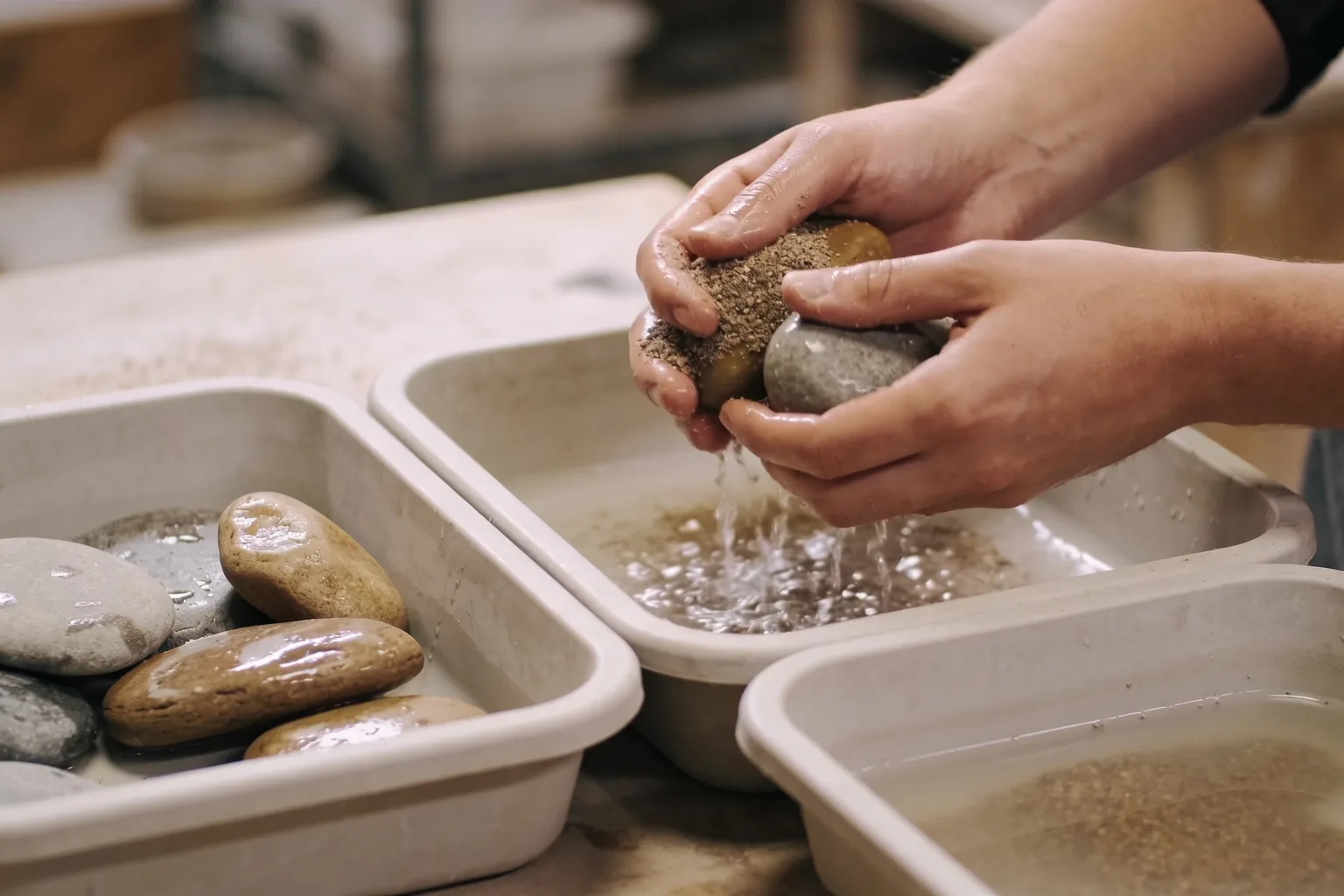
To drain a rock tumbler barrel, empty it into a colander over a bucket, then rinse the rocks while catching all the muddy water. This keeps used grit out of your plumbing and leaves the slurry contained for settling and disposal.
If you are still choosing a setup, compare the included cleanup accessories as well as the tumbler itself. Compare rock tumbler kits for hobbyists.
How to empty a tumbler barrel safely
Capture the slurry first, then separate, rinse, and clean up without sending grit into household plumbing.
Step 1 Set up the catch container
- Stop the tumbler and follow its instructions for removing and opening the barrel.
- Place a colander or screen securely over a stable bucket before you begin.
Step 2 Separate the rocks from the slurry
- Empty the barrel into the colander over the bucket, not over an unprotected sink.
- Let the muddy liquid drain into the container while the screen holds the rocks.
Step 3 Rinse the rocks over the bucket
- Wear safety glasses, then rinse the rocks over the catch container.
- Keep rinsing until visible mud and grit are removed, and do not let the slurry dry on the rocks.
Step 4 Set the captured slurry aside
- Leave the slurry undisturbed so heavier grit can settle.
- Keep both the settled slurry and any decanted water out of household drains.
Step 5 Clean the barrel and lid
- Clean residue from the barrel, lid, and the surfaces where they meet.
- Rinse and clean promptly, especially before storing the barrel or changing grit stages.
Result
The sealing surfaces are clean before storage or the next stage.
What is the safe way to drain a rock tumbler barrel?
Empty the barrel into a catch container, not a sink. You’ll need a stable bucket, a colander or screen, and rinse water. This separates the rocks from the slurry and keeps both the muddy liquid and rinse water out of household plumbing.
What should you have ready before opening the barrel?
Set up the catch container before opening the barrel, and keep safety glasses close by in case muddy water splashes. Follow your tumbler’s own instructions to remove and open the barrel; the available guidance does not establish one opening method for every model.
- A stable plastic bucket or another container large enough to catch the slurry.
- A colander or screen that sits securely over the container.
- Clean water for rinsing the rocks over the bucket.
- Safety glasses to protect your eyes from splashing muddy water, as Jonathan Santos’s rock-tumbling instructions recommend.
The manufacturer says the Blue Marble National Geographic Professional Tumbler Kit includes a strainer sized to hold an entire barrel’s capacity. You’ll still need a catch container beneath it, and the strainer does not replace your tumbler’s instructions.
Our Top Picks
How do you empty the barrel and contain the slurry?
Keep the bucket and screen stable and within reach before you start. If you are cleaning between grit stages, learn how to rinse rocks between tumbler stages for stage-change advice.
Step 1: Set up the catch container
Stop the tumbler and use its instructions to remove and open the barrel. Set a stable bucket on a secure surface, then position the colander or screen over it so it cannot tip as you empty the barrel.
Step 2: Separate the rocks from the slurry
Empty the barrel into the colander over the bucket. The screen catches the rocks while muddy water and grit drain into the container. Do not work over an unprotected sink, even if you plan to rinse the rocks right away.
Step 3: Rinse the rocks over the bucket
Rinse the rocks over the catch container so the water carries mud and grit into the bucket. Clean them promptly because dried slurry can be tedious to remove. Thorough cleaning also helps reduce leftover grit when you move to another stage.
Step 4: Set the captured slurry aside
Let the slurry settle before handling it further. Rock Tumbling Hobby’s cleanout advice describes decanting most of the clearer-looking water without pouring it down a drain, then letting the remaining water evaporate. The source also describes collecting dried solids for landfill garbage, but local disposal rules may differ.
Step 5: Clean the barrel and lid
Rinse and clean the barrel, lid, and the surfaces where they meet. Slurry left on those mating surfaces can dry there and compromise the seal. Clean them promptly before storing the barrel or starting another grit stage.
Which cleanout mistakes can cause problems?
Treat slurry as grit-laden waste, not ordinary wash water. Capture it from the first pour through the final rinse, and keep clearer-looking decanted water contained too.
- Rinsing rocks directly in a sink: put the colander over a bucket and rinse there.
- Pouring clearer-looking water into a drain: keep decanted water contained as well.
- Leaving mud to dry on the rocks: rinse promptly, since dried slurry can be difficult to remove.
- Leaving residue on the barrel rim or lid: clean the mating surfaces before closing or storing the barrel.
What if the slurry is cloudy or residue remains?
Keep the slurry and rinse water contained until cleanup is finished. Cloudy water, dried mud, or residue on sealing surfaces calls for more careful handling, not a shortcut through the sink.
The water in the bucket is still cloudy
Fine grit or rock mud may still be suspended in the water. Let it settle longer and keep the water out of plumbing. If you are following the described disposal method, allow the remaining water to evaporate rather than pouring it down a drain.
Grit remains around the lid or barrel rim
Slurry may be caught on the surfaces where the lid and barrel meet. Clean those mating surfaces before closing or storing the barrel so residue does not dry there and compromise the seal.
Mud has dried on the rocks
Dried slurry can be tedious and difficult to remove. The available guidance does not establish a reliable recovery method, so do not assume soaking or a particular tool will fix it. For the next cleanout, rinse the rocks as soon as you empty the barrel.
Related guides
- National Geographic Hobby Tumbler Review 2026 · National Geographic Hobby Tumbler review: see what the kit includes, how its small-batch format fits, noise caveats, and what to verify before you buy.
- Choosing a Rock Tumbler for Large Batches 2026 · Choosing a rock tumbler for large batches means matching the maker’s rock-only load and barrel layout to the amount of rough you actually tumble.
- Best rock tumblers for large batches 2026 · Compare the best rock tumblers for large batches by documented rock load, barrel capacity, and separate-barrel workflow to choose the right setup.
Frequently asked questions
Can rock tumbler slurry go down the sink drain?
No. Capture the used grit slurry and rinse water in a bucket instead. Grit can settle in plumbing and build up into a hard layer, so do not pour even clearer-looking water into a household drain.
What can I use to catch slurry when emptying a tumbler barrel?
Use a stable bucket with a colander or screen set securely over it. The screen catches the rocks while the muddy liquid drains into the bucket. Set it up before opening the barrel, and rinse the rocks over the same container.
What should I do with the water and grit after they settle?
Keep both out of plumbing. One described approach is to let the grit settle, decant clearer-looking water without using a drain, then let the remaining water evaporate and collect the dried solids for landfill garbage. Check local disposal requirements before discarding anything.
Why should I clean the barrel rim and lid after draining?
Slurry can dry on the surfaces where the lid and barrel meet. Residue there can compromise the seal, so clean those areas promptly after emptying and before storing the barrel or moving to another grit stage.